
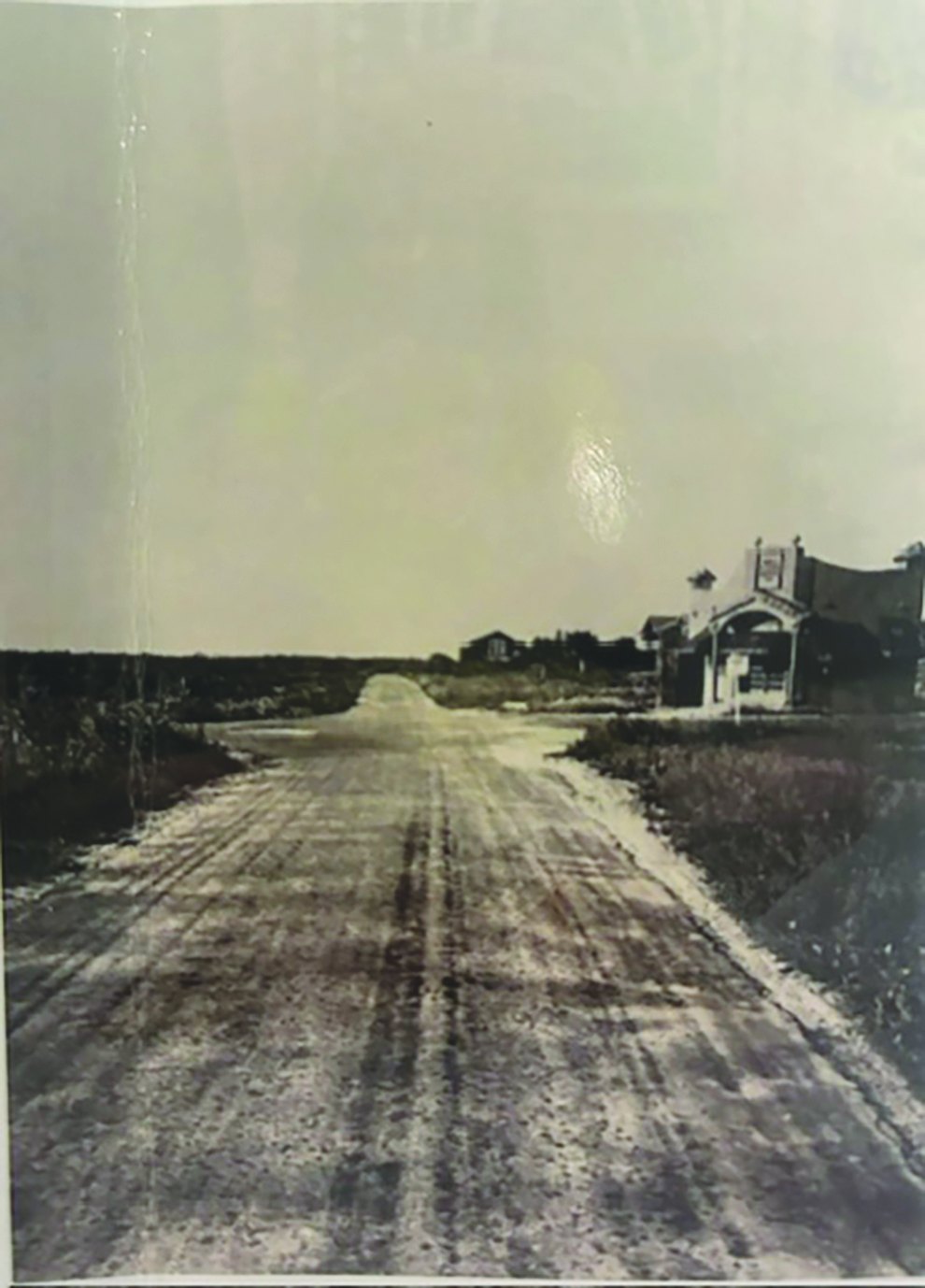
The story of Boca continues as we ride to Powerline Road and head south to Palmetto Park Road. The word “palmetto” is well known in Florida from the palmetto fronds which grace Palmetto palms to the oversized cockroaches called palmetto bugs, but the street name actually derived from the name of the plantation of one of Boca’s early settlers and adventurers, Harley Gates.
Today Palmetto Park Road with a 50 mile per hour speed limit and entry to I-95 is often congested, but there was a time in the early 1900’s when the county roads were nine feet wide and paved with native rock. At that time Boca was 3 separate settlements: The Yamato Colony, Pearl City, and 8 families living in the area. Yamato was the Japanese farming colony discussed in last month’s article. Pearl City was a small community of African Americans and Bahamians located on fifteen acres east of the railroad at Dixie Highway and Glades Road, who provided the workforce for local farms. It has been suggested that Pearl City was named for the Hawaiian Pearl variety of pineapple.
Harley Gates was one of the original eight families living in Boca in the early 1900’s. He was a successful Vermont realtor who was lured to Boca by the fishing opportunities. He purchased five acres of land with 360 feet along the north side of the sand path. Today that is the section that extends between the Intercoastal Waterway and the beach. He purchased an additional 26 acres of land adjoining his property and began planting. He raised tropical trees – palmetto palms, coconut palms, rubber trees and rare plants, And named his estate Palmetto Park Plantation. Hence Palmetto Park Road received Its name.
In 1924 his estate underwent renovations, and the house was painted pink and renamed “Casa Rosa”. In 1981 “Casa Rosa” was torn down and became the site of the “Wildflower” Night Club, and In 1999 the city bought the land which is now officially Silver Pond Park. The pink color was picked up and Boca became pretty in pink with Royal Palm Plaza and the Boca Raton Hotel.
Continuing back on Palmetto Park Road the ride takes us to Mizner Boulevard on the left. Although not a major thoroughfare, the story wouldn’t be complete without understanding the role played by Addison Mizner in Boca Raton’s history. Mizner Park bears his name and is reminiscent of his distinct architectural style. The plaza propels us through the gateway of time and beckons us into the era of Addison Mizner.
Addison Mizner loomed larger than life. Physically he was 6’2” and weighed over 200 pounds. He was always hearty and cheerful, and his personality drew people to him like a magnet. He carried a small monkey on one shoulder and a macaw on the other. He was born in 1872 in California. He did not have any formal architectural training, he possessed an inherent love of and appreciation for things of beauty. When his father was appointed envoy to central America, he went with his family to Guatemala. Spain has settled this country and Addison was aroused by the beauty of the imported Spanish artifacts. At eighteen he was sent abroad to a university in Salamanca, Spain, where he began to collect art and artifacts. He left college and wandered the world supporting himself with various artistic endeavors. Eventually he settled in New York and established himself making beautiful Spanish objects. He was working hard when he suffered serious injuries to his leg in a robbery. He was invited to visit Florida. He began designing homes which were Spanish in style. In the 1920’s the land boom took hold. Boca Raton promoters encouraged Mizner to build a hotel in this sleepy town. The Boca Raton Resort became the heart of Boca. However, he did not recognize that the land boom was coming to an end. He invested everything in his dream and lost it all. The anguish he felt over the collapse of this empire affected his health, and he dies of a heart attack in 1933. The Mizner legacy lives on, and his name and style can be seen throughout Boca. A statue of Mizner can be seen on Federal Highway in front of Royal Palm Plaza.
Going south on Federal Highway Camino Real looms into sight, and we arrive at Mizner’s “Highway of the Kings.”