
Every conflict arises when perceived communication ignites an emotional link to a PAST hurtful experience. And, when we are mindfully aware of what triggers us, every relationship can benefit.
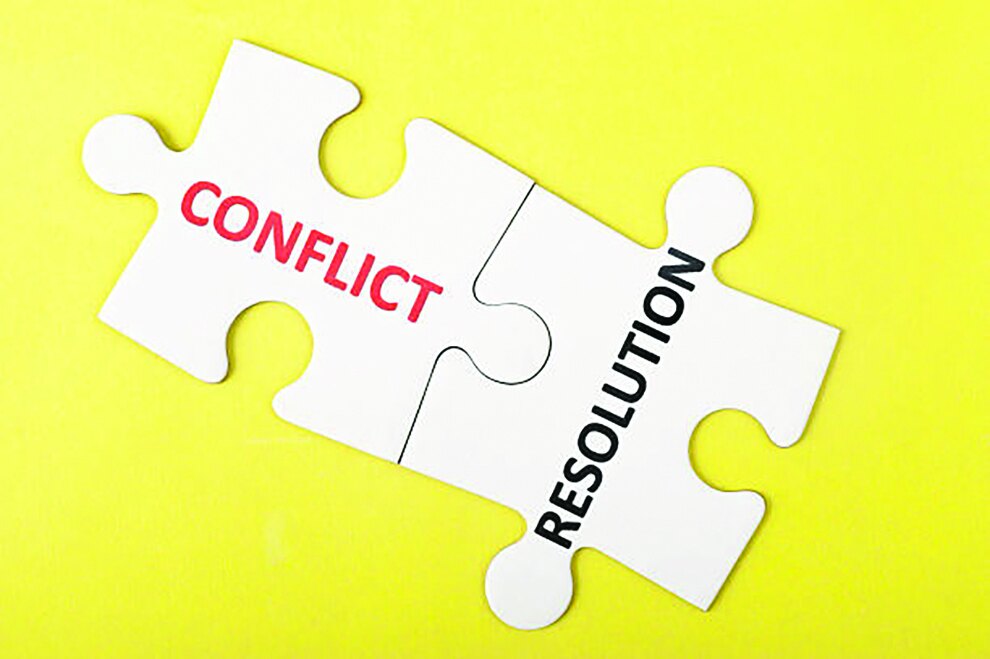
Did you know that conflict reveals where healing is needed? Conflict resolution is often the doorway through which understanding enters and how communication matters both verbally and non-verbally.
Conflicts can appear as an internal struggle, a disagreement between individual beliefs or values. It was Ronald Reagan, former U.S. President, who said, “Peace is not the absence of conflict; it is the ability to handle conflict by peaceful means.”
Communicating effectively depends on how we learn to express ourselves and a willingness to observe the common ways conflict comes about.
The following are ways we express ourselves verbally:
Aggressively: This type of communication can be damaging over time and is a real relationship killer. Aggressive communication triggers defensiveness and a sense of not being heard.
Passively: This type of communication tends to avoid conflict until the ignored emotions worsen and turn explosive.
Assertively: This form of communication expresses needs clearly and respectfully while staying mindful of emotional triggers and using a constructive approach.
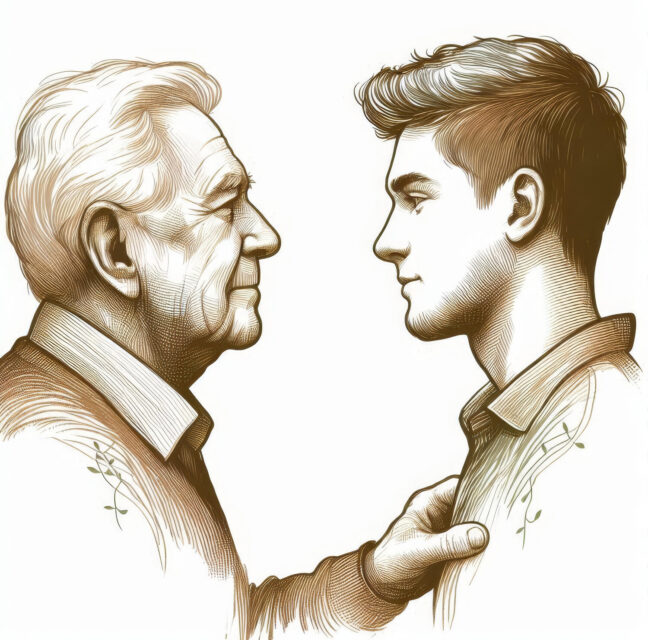
Some ways we communicate non-verbally that may cause conflicts and misunderstandings include facial expressions (raised eyebrows, rolling eyes, frowning), body language (crossed arms), and leaning forward as in active listening, to name a few. Remember, some individuals listen with their eyes before they listen with their ears.
The Thomas-Kilmann Model identifies several common ways people avoid and respond to conflict:
1. I intend to collaborate and not compete.
2. Be willing to compromise and negotiate.
3. Have coping strategies available when you feel triggered (i.e. box breathing, open palms).
Something to remember: In a world filled with conflicts, let us be advocates for peaceful, nonviolent communications.
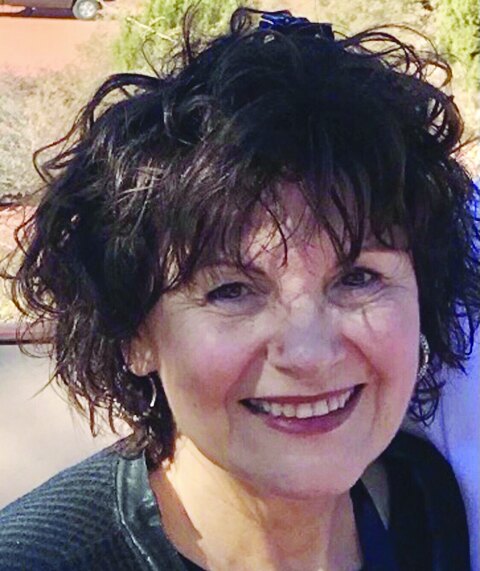
Josette Veltri, a Boca Pointe resident, is a certified educator and coach on loss and transition. Her purpose, to assist clients with healing and move forward so they can go from I Can’t to I Can, One Step at a Time. She can be reached at [email protected] (https://www.linkedin.com/in/josettejveltri).