


Memorial Day has long stood as one of the United States’ most solemn and meaningful national observances. Established to honor those who died in military service to the country, the holiday represents sacrifice, remembrance, and national unity. As the United States approaches its 250th anniversary, Memorial Day takes on an even deeper significance. This milestone invites reflection not only on the nation’s origins and progress but also on the countless individuals who gave their lives to sustain and defend its ideals.
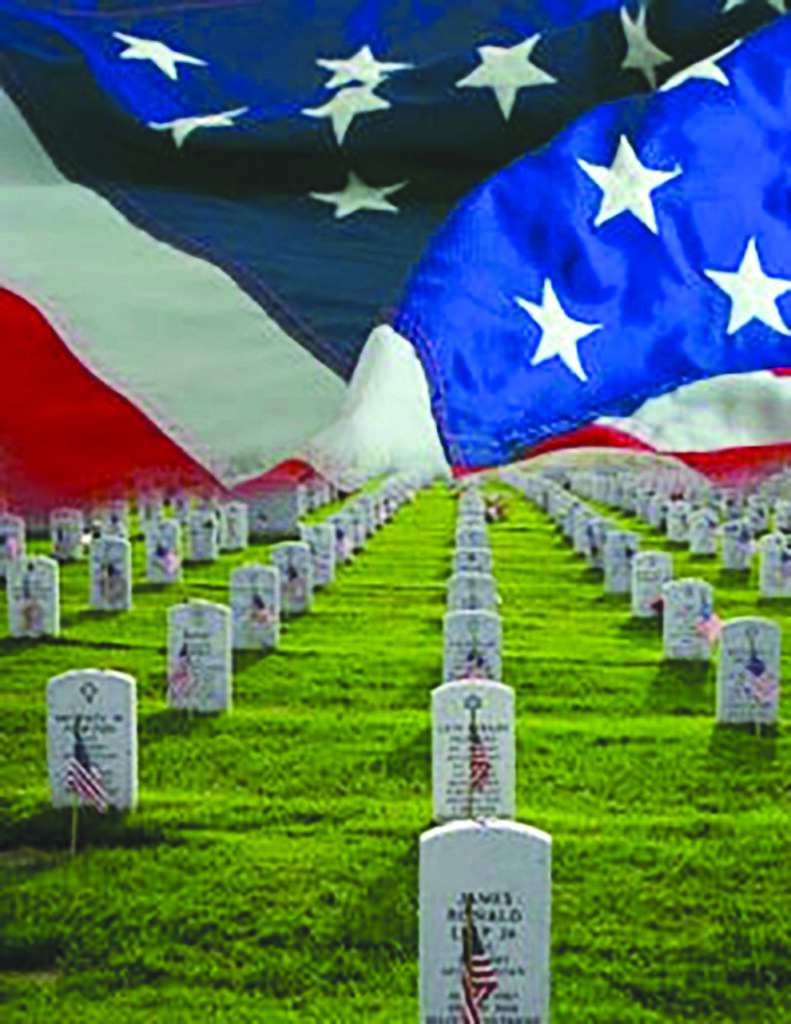
The origins of Memorial Day date back to the aftermath of the Civil War, one of the deadliest conflicts in American history. Originally known as Decoration Day, it was a time when citizens would decorate the graves of fallen soldiers with flowers, flags, and. tokens of respect. Over time, the observance expanded to honor all American military personnel who died in service. This evolution reflects a broader understanding of national sacrifice, one that encompasses every conflict and every generation. This continuity underscores how sacrifice is deeply woven into the national identity.
From the Revolutionary War to modern conflicts, each generation has faced its own trials, often requiring individuals to place the nation’s needs above their own lives. Memorial Day serves as a reminder that the freedoms and opportunities enjoyed today did not come without cost and that citizens need to reflect on the cumulative sacrifices that have allowed the nation to endure for 250 years.

Memorial Day invites a deeper examination of what those sacrifices were made for. They include the founding ideals of Liberty, Equality, and Democracy. Honoring the fallen includes striving to build a society worthy of their sacrifices. Remembering the fallen is not only about honoring the past but also about shaping the future. It challenges us to consider how we can contribute to our nation in meaningful ways, whether through public service or community involvement.
Another important dimension of this sacred day’s significance is its role in fostering national unity. The United States has experienced division and discord throughout its history. Memorial Day has the power to transcend political, cultural and social differences. It is a day when Americans can come together in shared respect for those who gave everything for our country. This day can reinforce the idea that, despite differences, there are common values and a history that bind our nation together. Furthermore, this day can encourage renewed attention to the stories of individual service members. While Memorial Day involves large and small ceremonies, its true meaning today lies in the personal sacrifices of individuals and families. Each name on a memorial such as The Viet Nam Memorial in Washington, represents a life cut short, a family forever changed, and a story of courage and commitment. It provides an opportunity to recall these stories, ensuring that remembrance is not abstract but deeply human. By connecting with these personal narratives, from World War II, Korea, Viet Nam, and more recent conflicts we can develop a more profound appreciation for the cost of our freedom. As a veteran and former teacher of American History, I feel that it is very important that we use this day to educate our younger generation about the significance of this day. This anniversary provides a powerful moment to renew educational efforts, emphasizing the historical and moral importance of this day. Ultimately, the significance of Memorial Day in the 250th year of the United States lies in honoring those who gave their lives. It is vital we also commit to upholding those values for which our heroes fought and died.