


A healthy heart beats in a steady rhythm, but for millions of Americans, that rhythm can become irregular, rapid, or chaotic. These conditions, known as heart arrhythmias, can pose serious health risks if left untreated. Among the most common and potentially d a n g e r o u s i s a t r i a l fibrillation (AFib), which significantly increases the risk of stroke, heart failure, and other complications.
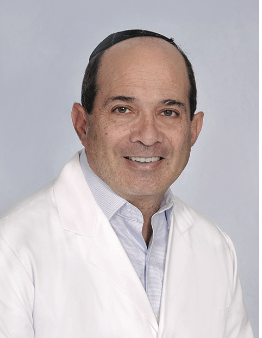
Dr. David S. Kleinman, a board-certified cardiac electrophysiologist with more than 30 years of experience, has dedicated his career to diagnosing and treating arrhythmias. Part of the Cardiovascular Care team of Palm Beach Health Network Physician Group, Dr. Kleinman sees patients at the South Florida Heart Institute and Delray Medical Center Tower in Delray Beach, as well as at Cardiology Associates of Boca Raton. He is also on staff at Delray Medical Center and West Boca Medical Center.
AFib is estimated to affect more than 12 million people in the United States by 2030. It occurs when the upper chambers of the heart (atria) beat irregularly, disrupting blood flow and raising the risk of clot formation. While some patients may feel palpitations, shortness of breath, or fatigue, others may not experience symptoms at all, making routine checkups and screenings vital.
Dr. Kleinman specializes in a wide range of treatments for arrhythmias, tailoring care to each patient’s unique needs. His expertise includes implanting pacemakers and defibrillators for patients with slow or irregular heartbeats, performing the Watchman™ left atrial appendage closure implant to reduce stroke risk in AFib patients who cannot take long-term blood thinners, and using catheter ablation to target and eliminate abnormal electrical signals in the heart. He treats not only AFib but also supraventricular tachycardia, ventricular tachycardia, and other rhythm disorders.
Raising awareness of AFib and other arrhythmias is critical, as early diagnosis and treatment can prevent life- threatening complications. Dr. Kleinman encourages patients to pay attention to symptoms such as fluttering in the chest, dizziness, or unexplained fatigue, and to seek medical evaluation promptly.
“Heart rhythm disorders are common, but they are also treatable,” says Dr. Kleinman. “The key is to identify the condition early and create a personalized plan of care that helps patients live longer, healthier lives.”
