

Human beings have an odd relationship with truth. We like to think we value honesty, justice, and integrity. We teach our children to “do the right thing.” Yet when the truth is that we acted wrongly—especially if our mistake hurt someone we love—the instinct is almost always to cover it up, minimize it, or pretend it did not happen. Admitting we made a mistake exposes us, humbles us, and forces us to face the harm we have caused.
And yet, paradoxically, that act of admission is exactly what allows relationships to heal and even grow stronger!
Over the recent High Holidays, my husband came across an article on forgiveness. The message was simple: if you want to seek forgiveness, acknowledge your mistake truthfully. No spin. No excuses. No “if I hurt you.” Just a plain, courageous statement of truth.
On paper, it does not sound so difficult. But in practice? Most of us would rather hide behind silence or hope time will erase what we have done. Sometimes, when the mistake feels especially heavy, we even turn our frustration outward and get angry at the people we have wronged—for not letting us off the hook quickly enough.
But here is the problem: when we bury the truth instead of facing it, the mistake does not stay buried. It festers. It leaks into other parts of our lives. It repeats itself. And in time, it causes collateral damage to more relationships, often with people we never intended to hurt.
This year, during Rosh Hashanah, my family had the chance to test this lesson firsthand. My husband’s son from his first marriage, Akiva, came to spend the holiday with us. That might not sound remarkable at first glance—but my children and I had not seen him in more than eight years. The last time we did was under painful circumstances, when we were excluded from his bar mitzvah and other events that fractured what had once been a very close relationship. There was plenty of hurt to go around—some of it orchestrated by others, some worsened by my husband’s own inability at the time to respond well. Years of silence followed.
So, when the idea arose to spend the holiday together, we all felt the weight of our anxieties. Could we bridge the gap? Could we forgive? Could we face the truth of what had happened?
To our surprise, we could. And it began with something very simple—naming mistakes out loud. I encouraged my husband to tell Akiva plainly: “I made a mistake. I did not listen to you when we moved abroad. I put you in the middle of your parents, and that was wrong. I will not do that again.” That acknowledgment, without qualification, opened a door.
Akiva, in turn, admitted his own regrets. He told my children that he had made the mistake of ignoring them when his relationship with their father soured. He realized that by cutting ties with them, he was the one who lost out the most. Eight years of birthdays, milestones, and sibling moments were gone, never to be recovered. But he wanted to go forward differently. He wanted to know them now, as young adults, and to be part of our lives in whatever blended way made sense.
The truth was spoken on both sides. And with that, the ground shifted. What had once felt impossible—reconciliation—suddenly felt natural.
We often imagine that admitting mistakes will make us weak, or leave us vulnerable. But in reality, it does the opposite. It builds strength, because it lays a foundation of trust. Once the words are spoken—“I made a mistake, and I will not repeat it”—the burden lifts, and everyone can step forward without the weight of denial.
The lesson here is not limited to family relationships. It is a human lesson, one that applies in marriages, friendships, workplaces, and yes—even in neighborhoods and communities like ours. Mistakes happen. Misunderstandings happen. Sometimes we say something careless in a meeting, or handle a situation in a way we later regret. The question is not whether we will stumble, but whether we will admit it when we do.
If we can learn to embrace the truth—even when it stings—we can break cycles of hurt and replace them with cycles of repair. As neighbors, as families, as human beings, we owe it to one another to choose that harder path. Because the reward is real: stronger bonds, deeper trust, and the possibility of starting anew.
This year, my family was reminded that admitting a mistake is not the end of the story. It is the beginning of a better one.
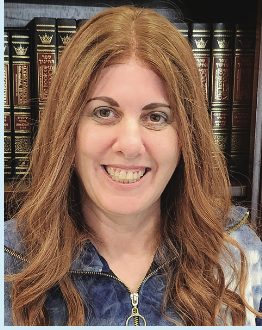
Ilene Brookler, a Boca Pointe resident and Columbia Law School graduate, brings over 30 years of litigation experience to her role as a certified mediator. She founded Family First Divorce Mediation Services with the goal of helping families navigate divorce quickly and affordably. She can be reached at [email protected]. For more information, visit http://www.familyfirstmediate.com.