


The idea and practice of mindfulness is becoming more and more pervasive in the art and science of evolving consciousness. Certainly, it would be more than useful for developing a sustainable lifestyle. What would this mean from an individual perspective? We are all beings of habit and patterns that, to a certain extent, rule our daily lives. Think about how our psychological and emotional habits govern our lives in many ways. Consider the significance of what you take for granted in your personal life regarding your actions regarding the use of clean water, food, and electricity. We unconsciously assume this is the way it should be.
Try to step outside the box NOW and consider for a moment your daily routines around how you consume or use water. How do you consume plain clean (more or less these days) water, for drinking, preparing food, washing yourself or clothes, or your car? NOW consider how these actions to use water impact or affect your/our environment, and consider this multiplied by several million or even billions. You will be surprised or even shocked at what you see. NOW do the same thing for electricity use and the habit patterns you have regarding its use. And again, multiply that by a million and a billion. This exercise can also be applied to the use of plastics.
Consider how you might conserve these resources. For example, turning water off even during the process of brushing your teeth, washing your hands, or showering, or being more conservative about washing your car, etc. Consider how often you leave lights on or run electrical products, or do not unplug them when they are unused. Running the air conditioner on an automatic temperature setting without thought has a significant impact on creating a more sustainable environment.
We generally are not conscious of how our patterns and habits impact our environment. In simple ways, we all can make a difference in resource sustainability. Washing our hands, brushing our teeth, taking a shower, leaving lights on or other products, what we eat, or waste/do not eat all have a significant impact on the depletion of precious resources. Creating a change in our habits and patterns requires a greater awareness of our automatic behaviors and habits that we take for granted.
Please take a moment or two and objectively think about how you utilize these resources each day and how you might initiate change in a more sustainable and conserving manner. You will be surprised at all the changes you can create by being more mindful and aware. Thank you for listening and for conserving our planet’s precious and limited resources!
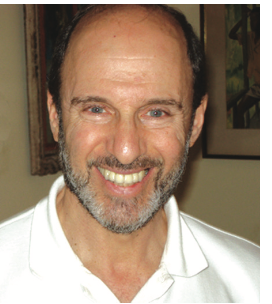
Steven E. Handwerker Ph.D. D.div, RM
Board Certified Licensed Psychologist
50 years’ experience
http://www.peacewk.org. Books and Blogs